Table of Contents
- What Is Zone 0 Defensible Space Landscaping?
- Where California’s Zone 0 Rule Actually Stands Right Now
- Is My Bay Area Property Even Affected?
- What Actually Counts as Zone 0 Defensible Space Landscaping?
- The Landscaping Mistake Most Homeowners Don’t Realize They’re Making
- Where Zone 0 Hardscaping Makes Sense (and Where It Doesn’t)
- How a Bay Area Homeowner Approached Zone 0 Conversion
- Zone 0 Defensible Space Landscaping FAQ
- What’s the difference between Zone 0 and general defensible space?
- Can I still have any plants within 5 feet of my house?
- Does gravel or paver Zone 0 landscaping need upkeep?
- Why does the first 5 feet around a home matter more than the rest of the yard?
- What affects the cost of converting to Zone 0 defensible space landscaping?
- What should I ask a landscaping contractor before a Zone 0 conversion?
- Getting Started
Direct Answer: Zone 0 defensible space landscaping means replacing mulch, bark, and plants within 5 feet of your home with non-combustible materials like pavers, gravel, or stone, following California’s newly approved ember-resistant zone standard for wildfire-prone areas.
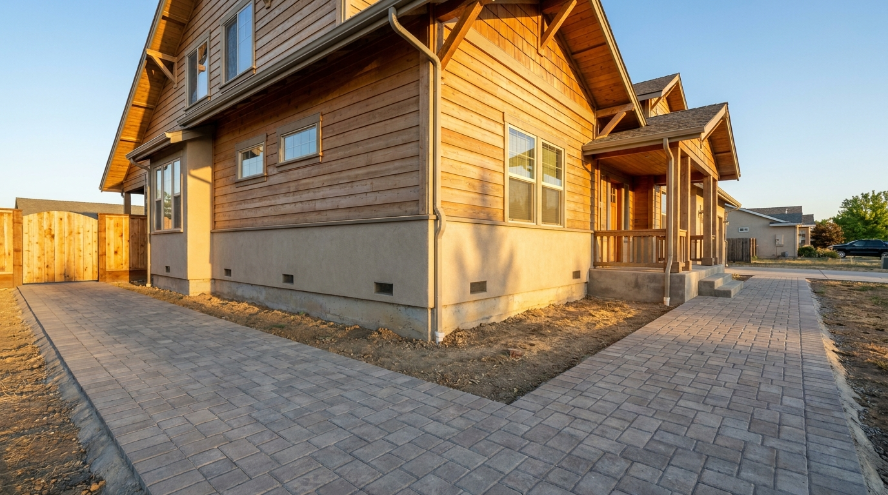
If you’ve lived in a wildfire-prone part of California for more than a few years, you’ve probably already heard about defensible space. Homeowners across Contra Costa, Napa, and Sonoma counties have cleared brush 100 feet from their homes for decades. What’s newer, and what causes most of the confusion, is Zone 0. It’s a much smaller, much stricter 5-foot ring around the structure itself. It has its own separate set of standards.
This guide breaks down three things every Bay Area homeowner should know before touching a shovel. First, what Zone 0 defensible space landscaping actually requires. Second, where the state’s new rule stands this year. Third, which materials keep a yard both compliant and good-looking.
At Legacy System Pavers, we’ve been building the kind of non-combustible patios, driveways, and walkways homeowners need well before Zone 0 became a household term. If you’d rather skip ahead and talk through your own property, reach out to our team anytime.
What Is Zone 0 Defensible Space Landscaping?
Zone 0 defensible space landscaping means clearing combustible material, plants, mulch, wood, and debris from the first 5 feet around a home. In its place, you use non-combustible surfaces like pavers, stone, or gravel. The idea traces back to Assembly Bill 3074, a 2020 law. It told California’s Board of Forestry and Fire Protection to create an “ember-resistant zone” next to every structure.
Zone 0 defensible space landscaping is a narrower, stricter cousin of the defensible space rules you may already know. Traditional defensible space covers up to 100 feet from a home. It splits into Zone 1 (5 to 30 feet, thinned and spaced vegetation) and Zone 2 (30 to 100 feet, reduced fuel management). Zone 0 defensible space landscaping applies only to the first 5 feet. But the standard there is far more strict. Instead of managing vegetation, the goal is to remove nearly all of it.
Where California’s Zone 0 Rule Actually Stands Right Now
As of late summer 2026, Zone 0 is close to becoming law, but it isn’t officially in effect yet. On August 19, 2026, California’s Board of Forestry and Fire Protection unanimously approved the final draft of the statewide Zone 0 regulation. That approval is a major milestone. But it still has to clear review by the state’s Office of Administrative Law. No statewide effective date has been set yet.
Once the rule does take effect, expect a phased rollout, not an overnight deadline. New construction will likely need to meet zone 0 defensible space landscaping standards right away. Existing homes should get a longer window to comply. Exact timelines will depend on your local fire authority once the state finishes the rule. Treat any specific date you see online with caution until your city or county confirms it.
Is My Bay Area Property Even Affected?
Whether Zone 0 applies to your address depends on your property’s fire hazard zone. It’s not just about which city or county you live in. CAL FIRE released updated hazard maps covering Bay Area cities in 2025. Hillside and wildland-adjacent communities in Alameda, Contra Costa, Marin, Napa, and Sonoma counties are more likely to land in a Very High zone. Flatter, urban neighborhoods in Santa Clara or San Mateo counties often don’t.
You can check your own address against CAL FIRE’s current Fire Hazard Severity Zone maps to see where you stand. It’s also worth knowing about a related law, AB 38. It already requires sellers in High or Very High zones to disclose defensible space and home-hardening compliance at the time of sale. So zone 0 defensible space landscaping isn’t only a fire-safety question, it can affect a future home sale too. For the full list of Bay Area communities we serve, see our areas we serve page.
What Actually Counts as Zone 0 Defensible Space Landscaping?
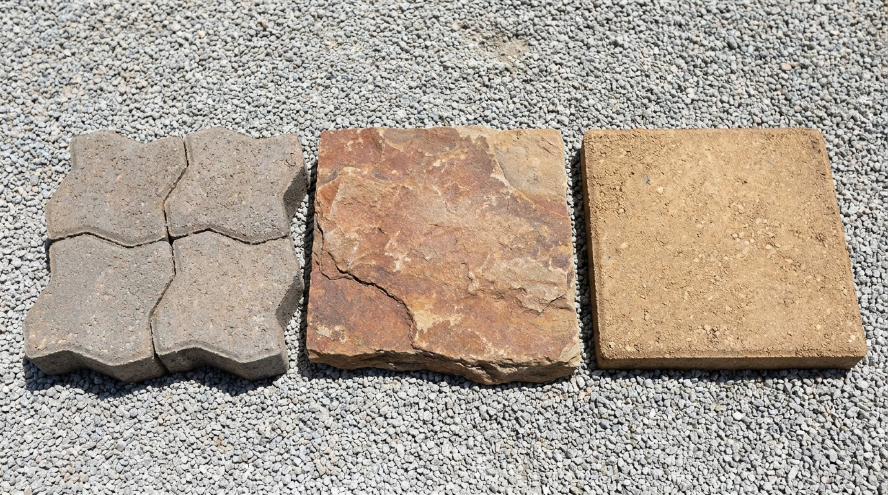
Once mulch, bark, and plants come out of the first 5 feet, they need to be replaced with something. That’s where hardscaping comes in. Good zone 0 defensible space landscaping isn’t one-size-fits-all: each material option comes with its own best use and its own common mistake.
- Concrete pavers: best for entries, walkways, and other high-traffic areas right against the house. Common mistake: leaving wide, unsealed joints that let wind-blown leaves and debris collect.
- Natural stone or flagstone: best for a foundation border with a more textured, organic look. Common mistake: setting the stone inside a wood-edged bed, which quietly reintroduces combustible material at the perimeter.
- Decomposed granite: best for narrow side yards where a full poured surface isn’t practical. Common mistake: skipping proper compaction, which lets weeds, and fuel, grow back through the surface.
- Non-combustible retaining walls: best for the sloped Zone 0 areas common on Bay Area hillside lots. Common mistake: using untreated wood timbers as the retaining edge instead of concrete or stone block.
Pavers hold up well under heavy foot and vehicle traffic with minimal shifting over time. Decomposed granite installs faster but needs more frequent top-ups to stay compacted. The table below summarizes how each zone 0 defensible space landscaping material compares:
| Material | Best For | Typical Upkeep | Why It Works in Zone 0 |
|---|---|---|---|
| Concrete pavers | Entries, walkways, patios | Occasional sweeping, joint sand top-up | Fully non-combustible, no organic material to ignite |
| Natural stone | Foundation borders | Low; occasional debris clearing | Non-combustible surface with no fuel bed underneath |
| Decomposed granite | Narrow side yards | Periodic weeding and compaction | Inorganic surface that won’t carry an ember-ignited fire |
| Retaining walls (concrete/stone) | Sloped or hillside lots | Minimal | Replaces wood structural elements near the foundation |
Have a similar bark bed running along your own foundation? Our team can walk your property and point out exactly where a Zone 0 conversion makes the most sense. Set up a time with us and we’ll take a look.
The Landscaping Mistake Most Homeowners Don’t Realize They’re Making
The most common mistake in zone 0 defensible space landscaping isn’t neglect. It’s an attempt to make the space look nicer. A fresh layer of bark mulch or wood chips against the foundation reads as tidy, intentional landscaping. In wildfire terms, it’s exactly the opposite. It’s dry material sitting right against the house, right where wind-driven embers are most likely to land.
The technical problem is simple. Embers don’t need a wall of flame to ignite a home. They just need dry fuel close enough to the wall to catch. Mulch, dead leaves, and wood debris in the first 5 feet are exactly that fuel.
A few practical mitigation steps go a long way:
- Swap mulch beds for a gravel or paver base within the first 5 feet of the home
- Move any wood-edged planters at least 5 feet away from the structure
- Check under-deck and under-stair areas, which often get missed entirely
- Clear stored firewood, cushions, and bins from this zone before fire season
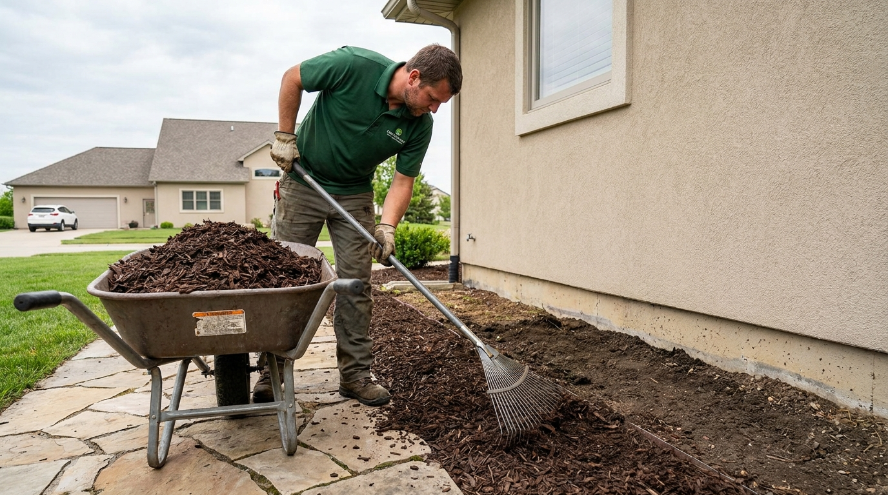
Before your next landscaping project, ask your contractor directly: what happens to the existing mulch beds within 5 feet of the house? If the answer isn’t a clear plan to remove them, that’s worth a second conversation.
Where Zone 0 Hardscaping Makes Sense (and Where It Doesn’t)
Zone 0 defensible space landscaping earns its keep on properties where fire risk and everyday function overlap. A gravel apron along a hillside home in the Oakland hills does double duty. It meets Zone 0 expectations while also managing water runoff on a slope. A paver entry walkway in Danville or Walnut Creek replaces a bark-mulched border without losing curb appeal at the front door. A patio extension in wine country towns like Napa or Sonoma can absorb the first 5 feet too. It becomes part of a larger outdoor living space, not a leftover strip.
It isn’t the right call for every situation, though. A flat, urban lot in a Moderate fire hazard zone, with no nearby wildland interface, may not need a full 5-foot hardscape conversion. A smaller fix near vents and any wood fencing attached to the house is sometimes enough. And any slope steeper than a gentle grade should go through a licensed contractor familiar with drainage and grading, not a weekend DIY project.
How a Bay Area Homeowner Approached Zone 0 Conversion
Take a scenario our crews see often. A hillside home in Walnut Creek had a bark mulch bed running the full length of the foundation. It had been there since the house was built, long before Zone 0 was ever discussed. The homeowner didn’t need to gut the entire yard front to back.
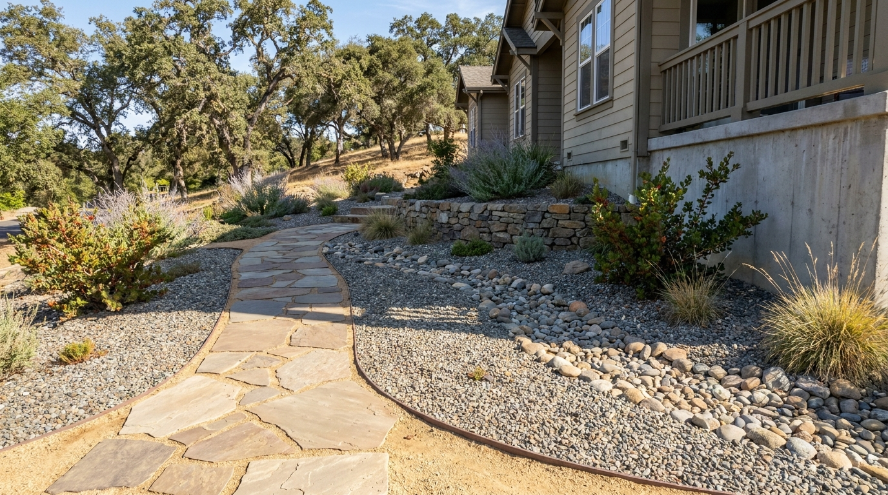
Removing the mulch bed solved the biggest risk. Replacing the first 5 feet with gravel and pavers, tied visually into the existing front walkway, left the rest of the yard untouched. It’s a fairly typical zone 0 defensible space landscaping project: targeted, not a full yard overhaul. The home’s curb appeal stayed intact, and the most direct ember pathway to the siding closed off.
It’s a pattern that shows up often in client feedback. Homeowners expect a Zone 0 conversion to mean tearing out the whole front yard. Most are relieved to learn it’s usually a focused, few-day project instead.
Zone 0 Defensible Space Landscaping FAQ
What’s the difference between Zone 0 and general defensible space?
General defensible space covers the full 100 feet around a home, split into Zone 1 and Zone 2. Zone 0 defensible space landscaping is a stricter standard for just the first 5 feet, removing nearly all vegetation instead of just managing it.
Can I still have any plants within 5 feet of my house?
Current Zone 0 guidance calls for the first 5 feet to be free of plants and other combustible material. Homeowners who want greenery typically move it just past that line, into Zone 1. Inside Zone 0 itself, pavers, gravel, or stone do the visual work plants used to do.
Does gravel or paver Zone 0 landscaping need upkeep?
Yes, though far less than a planted bed. Gravel needs occasional weeding and top-ups to stay compacted. Pavers mainly need periodic sweeping and joint sand refreshing.
Why does the first 5 feet around a home matter more than the rest of the yard?
Wind-driven embers, not the advancing flame front, cause most home ignitions in a wildfire. Mulch or debris in the first few feet gives embers fuel to catch. Zone 0 landscaping removes that fuel bed entirely.
What affects the cost of converting to Zone 0 defensible space landscaping?
Cost depends mainly on how much of the 5-foot strip needs conversion. Removing an old mulch bed takes more work than clearing an empty strip. Material choice and slope also matter. A walkthrough with a local contractor is the most reliable way to scope a specific property.
What should I ask a landscaping contractor before a Zone 0 conversion?
Ask whether they’ve handled Zone 0 hardscape work before, and what happens to existing mulch or wood edging within the 5-foot zone. Confirm proposed materials are genuinely non-combustible, not just fire-resistant, and ask how the new surface handles drainage next to the foundation.
Getting Started
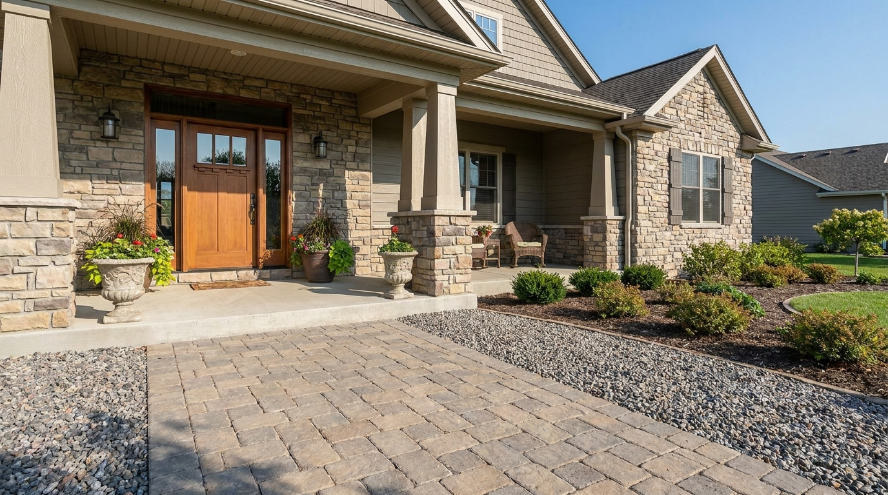
Zone 0 defensible space landscaping is moving from proposal to policy faster than most homeowners realize. Getting ahead of it protects more than an insurance premium, it protects the home itself. The state’s rule may not be fully in effect yet, but that doesn’t change the math. Replacing the mulch and plantings against a foundation with pavers, gravel, or stone is one of the most effective wildfire-safety changes you can make. It’s a strong move for any Bay Area homeowner this year.
Legacy System Pavers has installed non-combustible patios, driveways, and walkways across the Bay Area for exactly this kind of zone 0 defensible space landscaping project. Our patio pavers page explains how paver surfaces hold up to daily use. Our driveway pavers guide breaks down material options for larger surfaces near the home. You can also see examples of recent non-combustible installations on our Instagram. Or read what past clients have said on our Google Business Profile.
Contact Legacy System Pavers to talk through what zone 0 defensible space landscaping looks like for your specific property.